
African Trade Ministers Retreat in Morocco, Develop Unified Strategy Ahead to WTO MC14.

30
PR & COMMS UPDATE – MOTAI
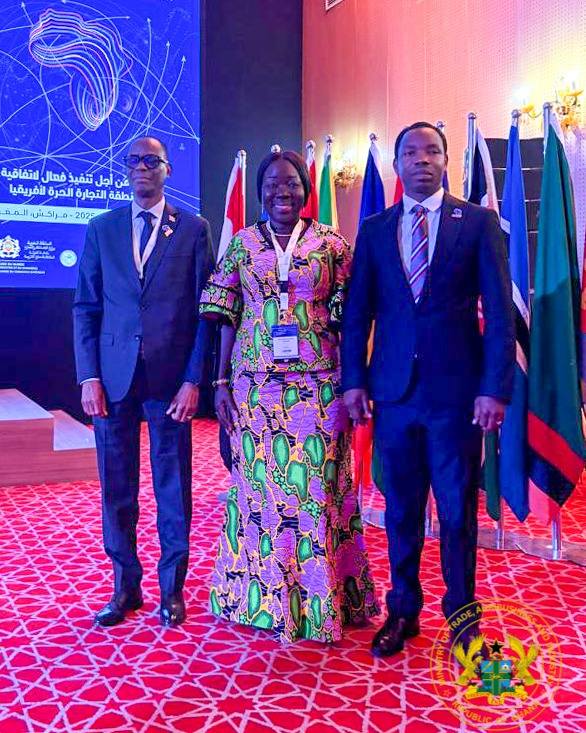
Prior to the 14th WTO Ministerial Conference (MC14), which is set for March 2026 in Yaoundé, Cameroon, African trade ministers and senior government officials in charge of trade gathered in Marrakech from December 11–12, 2025, for a high-level Ministerial Retreat. The purpose of the retreat was to strengthen coordination and refine Africa’s collective priorities.
The retreat, which took place on the fringes of the 2nd AfCFTA Business Forum, sought to strengthen unity within the African Group and reach a consensus on a shared strategy for advancing and defending Africa’s interests in international trade talks.
The Honourable Eilizabeth Ofusu Adjare (MP), Minister for Trade, Agribusiness, and Industry, recalled during the debates that many African nations joined the WTO “like observers at the table” when it was founded in Marrakech in 1994, signing onto a system that was heavily influenced by the priorities of others and had little say in the Uruguay Round’s results.
The Minister pointed out that although African nations ratified the agreements in good spirit, the continent too frequently functioned as rule-takers rather than rule-makers.
“This is no longer our story,” she emphasised, calling on Africa to make a significant impact on the WTO’s future through MC14, which will be held on African territory. This influence should include reforms that better promote development, policy space for industrialisation, and a more equitable trading system.

In addition to the retreat talks, the Honourable Minister was a member of a ministerial panel that discussed practical measures to ensure that the AfCFTA produces tangible commercial outcomes.
In order to overcome the obstacles preventing intra-African trade, she called for greater continental solidarity. She cited ongoing non-tariff barriers, high logistics costs and poor connectivity, a lack of harmonisation in customs and standards procedures, a lack of availability of vessels for sea transportation, and trade finance gaps that continue to impede SMEs, particularly women-led businesses.
She highlighted that only if African nations work together to address these obstacles through coordinated reforms, enhanced trade facilitation, and focused investments in transport, border systems, standards infrastructure, and digital trade enablers will the AfCFTA be successful.
A shared commitment to strengthen African coordination prior to MC14, unify negotiating positions, and guarantee that Africa’s priorities, productive capacity, resilience, and inclusive growth are clearly reflected in multilateral outcomes was reached at the end of the Marrakech engagement.
Ministers reiterated that the AfCFTA continues to be Africa’s principal means of industrialisation and regional value chains, and that creating a WTO that promotes development and benefits individuals and companies throughout the continent would require a stronger, more cohesive African voice at MC14.
Source: newsthemegh.com
